
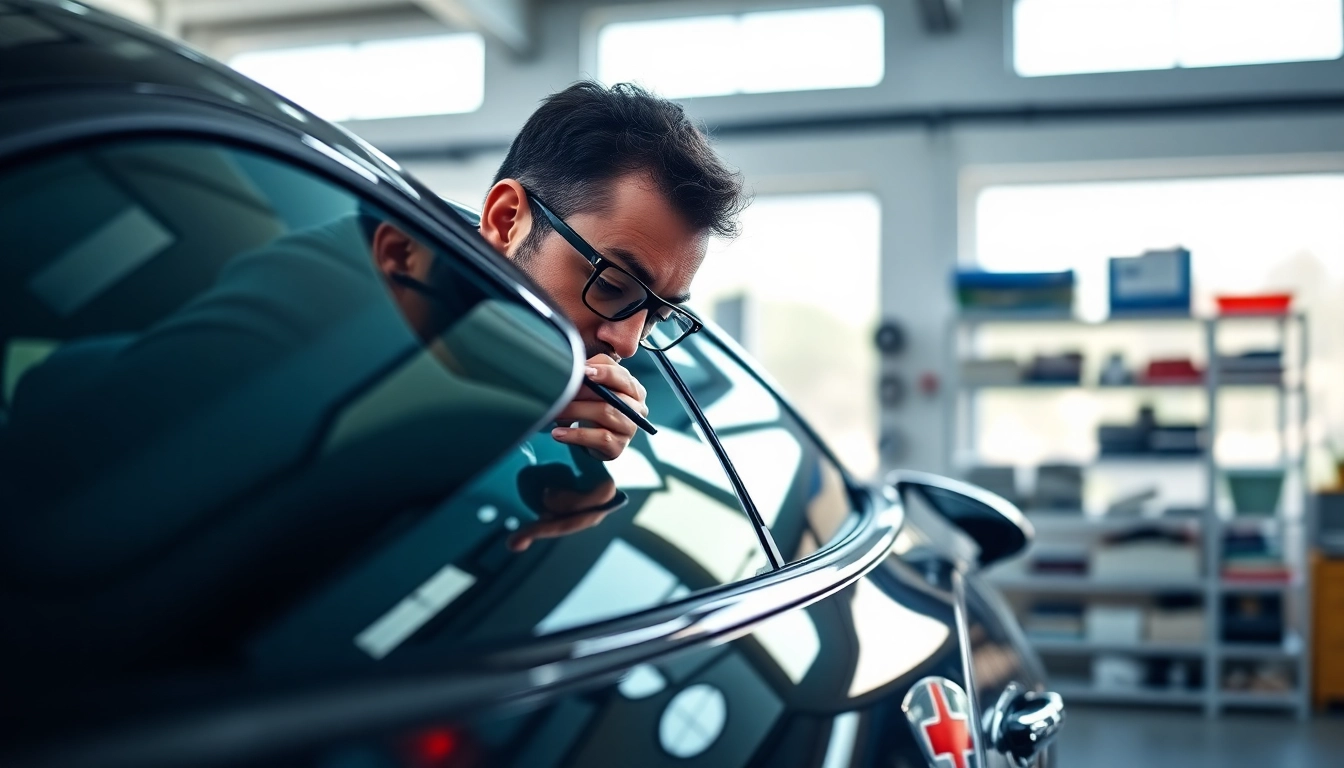
Understanding Ceramic Window Tint
What is Ceramic Window Tint?
Ceramic window tint is a type of window film made using advanced ceramic technology. Unlike traditional window tints, which often rely on dyes or metals, ceramic window tint utilizes non-conductive ceramic particles that effectively block heat and UV rays without interfering with electronic devices. This innovative technology makes it a popular choice for vehicle owners seeking superior heat rejection and visibility. By choosing ceramic window tint, drivers can enjoy enhanced comfort and protection from the sun’s damaging effects.
Advantages of Choosing Ceramic Window Tint
Ceramic window tint offers numerous advantages over other types of tinted films. One key benefit is its ability to block up to 99% of harmful UV rays, protecting both the vehicle’s interior and the occupants. This significantly reduces the risk of skin damage from sun exposure. Additionally, ceramic films provide excellent heat rejection without darkening the glass. This means that the interior stays cooler, leading to less reliance on air conditioning and improved fuel efficiency.
Another notable advantage is the durability of ceramic window tint. Ceramic films do not fade or discolor over time, maintaining their performance and aesthetics longer than dyed or metalized options. Furthermore, ceramic window tints enhance privacy without compromising visibility. They allow natural light to penetrate while obscuring the view from outside, making them a great choice for those who value both safety and comfort on the road.
How Ceramic Window Tint Works
Ceramic window tint works through a combination of advanced scientific principles and materials. The film is constructed from a fine layer of ceramic particles that reflect and absorb heat. Unlike traditional tinted films that rely on dyes and metals, which can interfere with signals from electronic devices, ceramic window tin maintains a clear signal for GPS, mobile phones, and other technologies.
The structure of the ceramic particles allows them to selectively block infrared radiation while still permitting visible light to pass through. This characteristic provides an optimal solution for reducing heat inside the vehicle without compromising visibility. Furthermore, the absence of metallic components ensures no interference with electronic devices, making ceramic window tint an ideal choice for modern vehicles equipped with advanced tech.
Installation Process of Ceramic Window Tint
Preparing Your Vehicle for Tinting
Before opting for ceramic window tint installation, thorough preparation is essential to achieve the best results. First, clean the windows to remove dirt, grease, and other contaminants; this preparation ensures proper adhesion of the tint film. Any imperfections or debris could cause bubbles or hinder the effectiveness of the tint.
It’s also important to choose a comfortable environment for installation. Ideally, the process should occur in a shaded area, away from direct sunlight, to prevent the adhesive from drying too quickly. Additionally, consider removing any window accessories such as decals or stickers, as they can interfere with the application.
Step-by-Step Installation Guide
The installation of ceramic window tint can be broken down into several key steps:
- Measure and Cut Film: Measure each window accurately and cut the film to size, allowing an extra half-inch for adjustments.
- Wet the Windows: Spray a solution of water and soap onto the window surface to facilitate the application.
- Apply the Tint: Align the pre-cut film to the window and carefully lay it on the wet glass. The soap solution will allow you to shift it if needed.
- Remove Air Bubbles: Use a squeegee to remove air bubbles and excess water, starting from the center and moving outward.
- Trim Excess Film: Once the film is adhered, carefully trim any excess around the edges for a clean finish.
- Dry and Cure: Allow the tint to dry thoroughly. This process typically takes a few days, during which the vehicle should not be exposed to water.
Professional vs. DIY Installation
When deciding between professional installation and a DIY approach, consider several factors. While installing ceramic window tint yourself can save money, it requires precision, patience, and a good understanding of the materials involved. Any mistakes can lead to bubbles, uneven application, or damage to the tint film.
On the other hand, professional installation offers the expertise and experience necessary to ensure a flawless finish. Professionals typically use high-quality tools and adhesive solutions, which can result in a more durable and aesthetically pleasing outcome. Additionally, many professionals offer warranties on their work, providing peace of mind that any issues will be addressed promptly.
Comparing Types of Window Tint
Ceramic vs. Dyed Window Tint
Dyed window tint is made by layering dye on top of a thin film. While it effectively provides some reduction in heat and glare, it is less effective in blocking UV rays when compared to ceramic window tint. Dyed windows can also fade over time, which diminishes their effectiveness and alters the vehicle’s appearance.
Ceramic window tint, however, offers superior UV protection, doesn’t fade or discolor, and maintains its performance over time. Additionally, ceramic tint allows for higher visibility while efficiently blocking heat, making it an ideal choice for vehicles exposed to higher temperatures.
Ceramic vs. Carbon Window Tint
Carbon window tint is infused with carbon particles, providing an excellent balance between heat reduction and durability. While it can block around 40% of heat entering the car, ceramic window tint outperforms it by blocking a higher percentage of infrared radiation.
Ceramic tints also have the advantage of not interfering with electronic signals and keeping undesirable heat out without the metallic sheen that carbon films may exhibit. Therefore, for those seeking optimal performance and technology compatibility, ceramic window tint is a clear winner.
Ceramic vs. Metalized Window Tint
Metalized window tint contains a layer of metal particles that reflect heat and light. While it does effectively block UV rays and excessive heat, there are drawbacks: metalized films can interfere with electronic signals and may cause radio frequency interference in vehicles equipped with sensitive technology.
Ceramic window tint, conversely, avoids these issues. It provides high levels of heat and UV protection without the drawbacks associated with metallic elements. Its advanced technology ensures compatibility with all electronic devices while maintaining a sleek and sophisticated appearance.
Maintaining Your Ceramic Window Tint
Cleaning Tips for Longevity
To keep your ceramic window tint looking fresh and performing well, proper cleaning is essential. Start by avoiding ammonia-based cleaners, which can damage the film. Instead, use a mild soap and water solution or a cleaner specifically formulated for tinted windows.
When cleaning, use a soft cloth or microfiber towel to gently wipe the surface. Avoid scrubbing too hard, as this could scratch the tint. Regular cleaning not only maintains the appearance of the tint but also helps in identifying any potential issues early.
Signs of Damage to Look Out For
Various signs can indicate that your ceramic window tint is damaged. These may include bubbling, peeling, discoloration, or an overall cloudy appearance. If noticed, addressing these issues promptly is crucial, as leaving them unattended can lead to further degradation and decreased performance.
Keeping an eye on the edges is also important, as they can lift and create gaps that allow heat and UV rays inside. If you observe any of these signs, consider consulting a professional for evaluation and potential replacement.
When to Replace Your Window Tint
The lifespan of ceramic window tint depends on several factors, including exposure to the elements and maintenance practices. Most ceramic films last around 10 to 15 years when properly cared for. If you notice significant damage, such as extensive peeling or bubbling that compromises aesthetic and functional qualities, it may be time to replace your window tint.
Additionally, if you change your vehicle or change taste in window tint style, replacing your ceramic window tint can refresh your car’s appearance and enhance its overall value.
FAQs about Ceramic Window Tint
What is the lifespan of ceramic window tint?
Ceramic window tint typically lasts between 10 to 15 years, depending on environmental conditions and maintenance practices.
Can I roll down my windows after installation?
It’s best to wait at least 2-4 days before rolling down your windows after installation, allowing the adhesive to cure fully.
Does ceramic window tint block UV rays?
Yes, ceramic window tint blocks up to 99% of harmful UV rays, protecting both vehicle interiors and occupants from sun damage.
Is ceramic window tint legal?
Yes, ceramic window tint is legal, but regulations may vary by state. Always check local laws for specific tinting regulations.
How much does ceramic window tinting cost?
The cost of ceramic window tinting varies widely based on vehicle size and tint brand, typically ranging from $300 to $800.
